

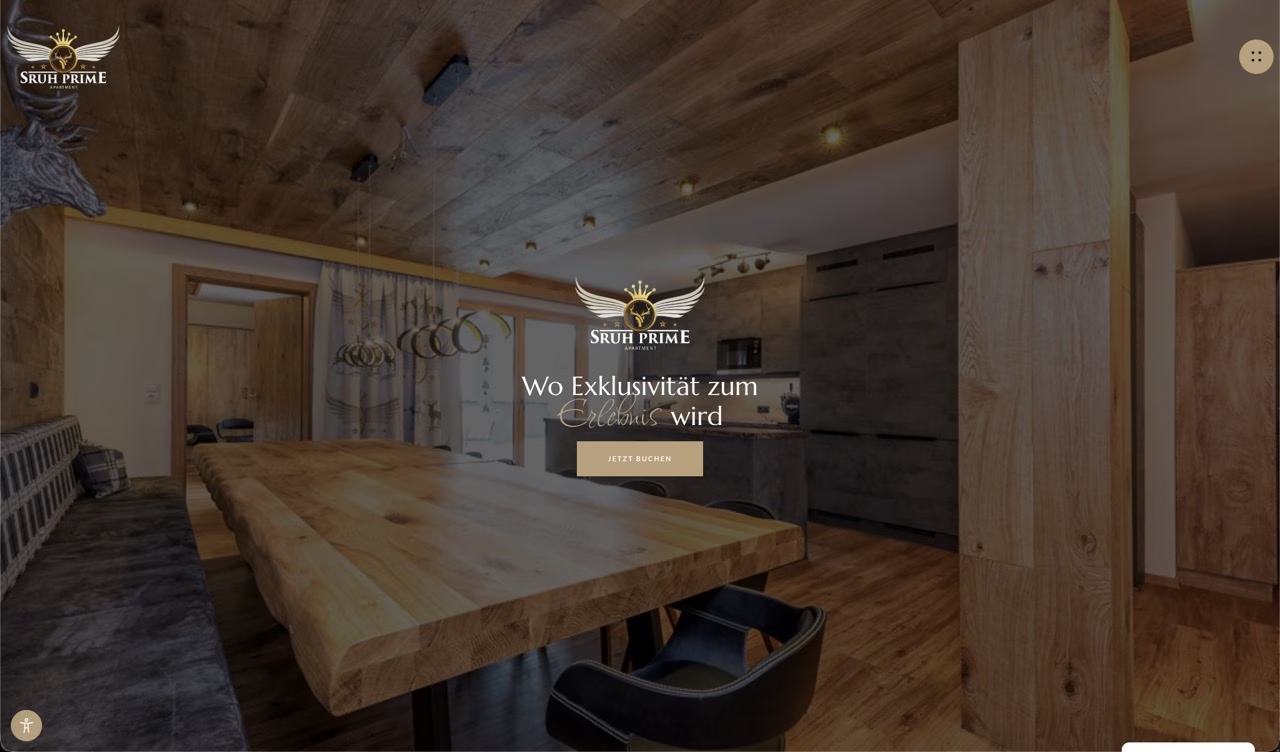
A hotel is made up of many individual impressions: the entrance, the reception, the room, the breakfast room, the menu and, finally, the website. Design brings these different touchpoints together to create a unified look and feel.
That said, the design does not have to look the same everywhere. What matters is that the colours, materials, typography, images and shapes all convey the same ethos. An alpine boutique hotel may present itself differently from a modern city hotel or a traditional establishment.
In the hotel sector in particular, identity is often shaped by the details:
Typography can appear modern, understated or traditional
Colours influence atmosphere and orientation
Materials create a link between a space and a brand
Photography doesn’t just show spaces; it conveys a mood
Digital design carries this language forward on the website
Architecture, interior design, typography and digital design demonstrate different ways in which hotels develop their own visual language.
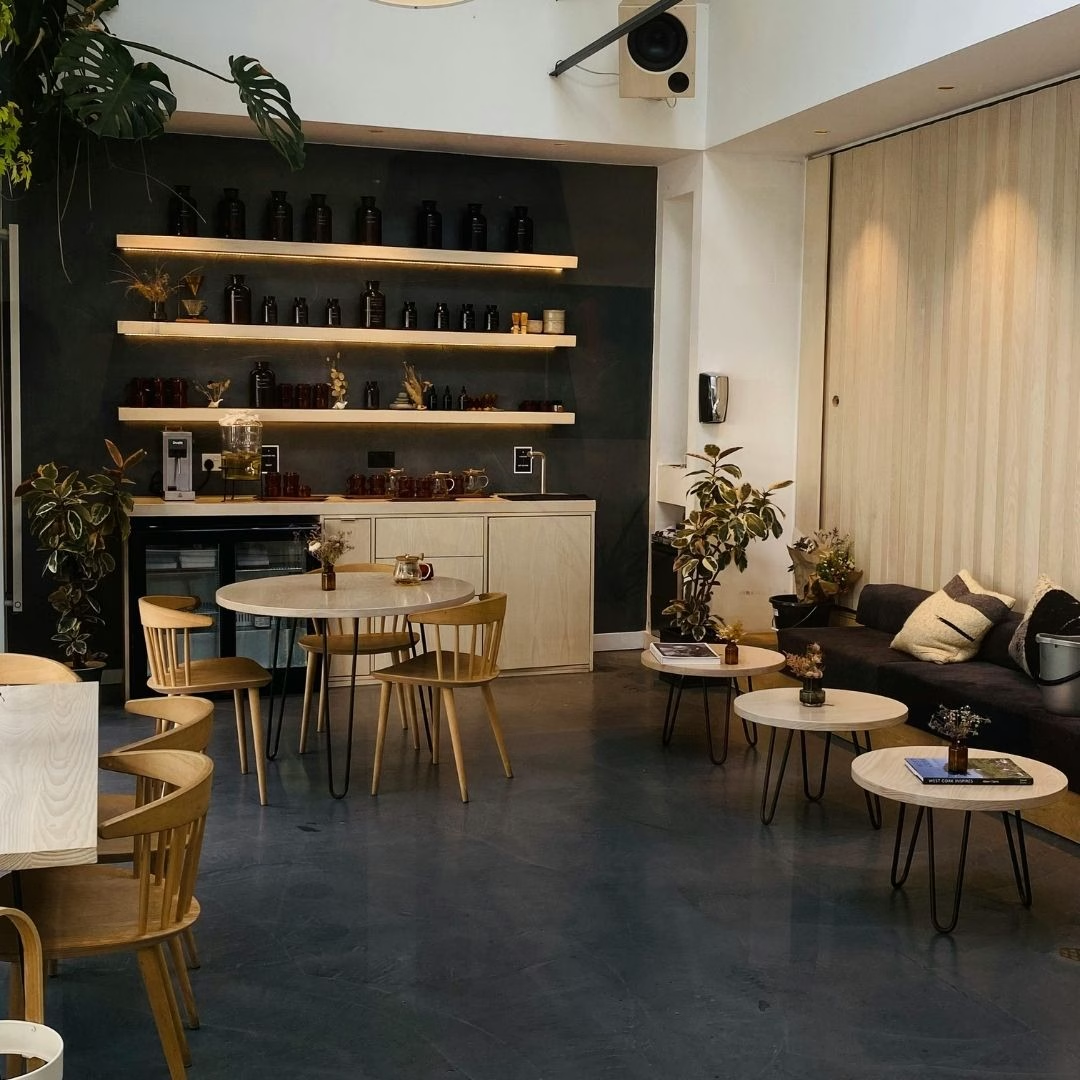
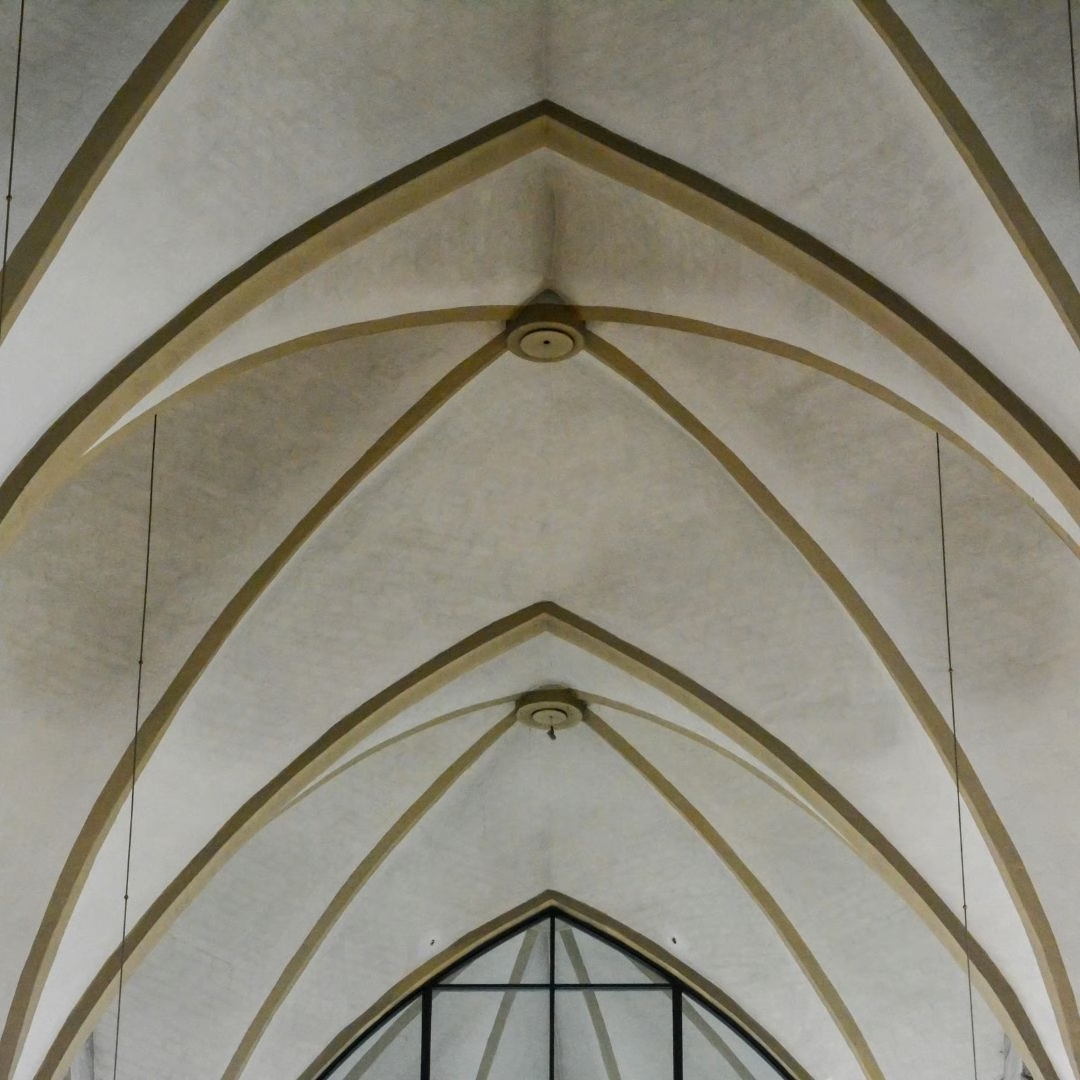
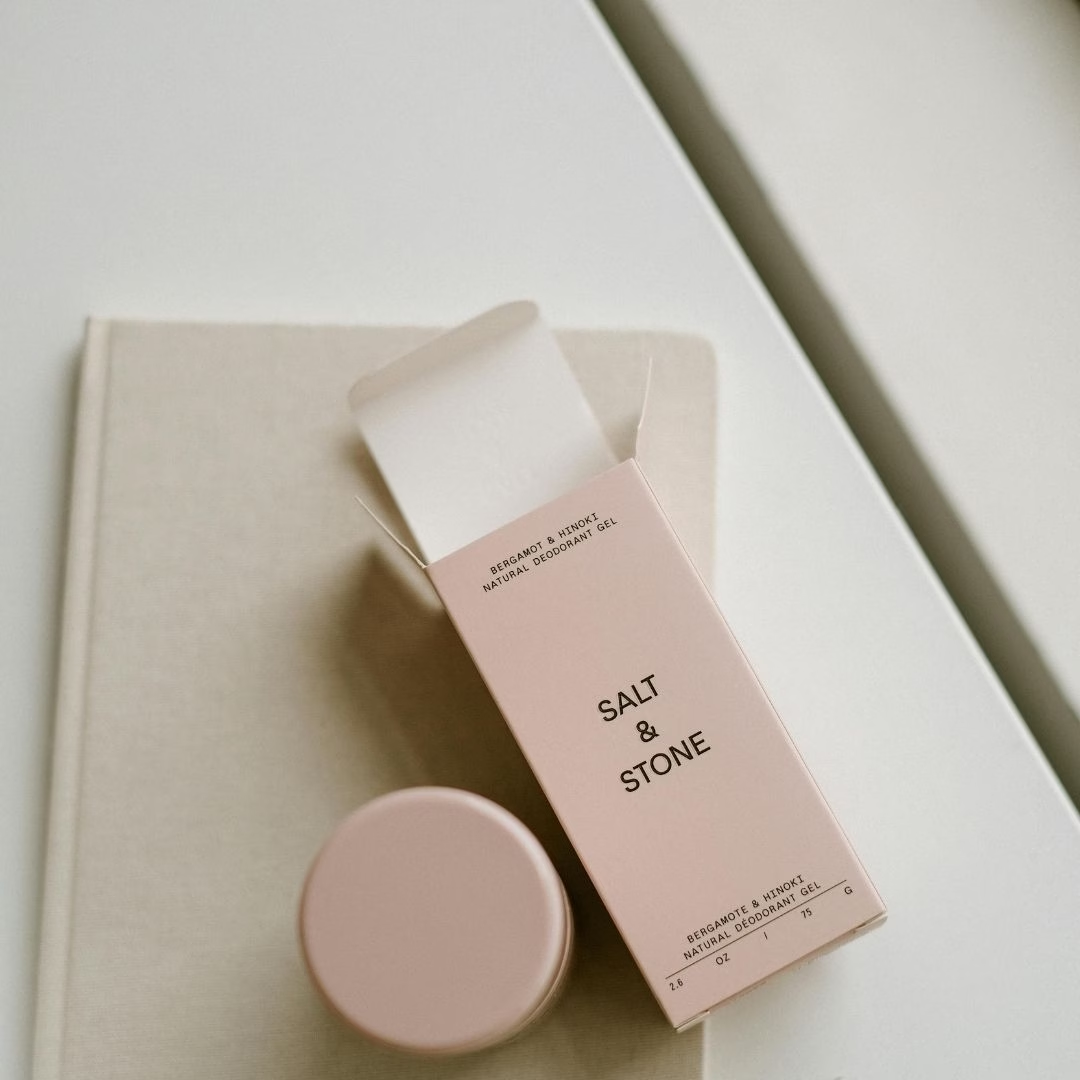

Hotels and design become particularly interesting when the hotel’s design is also recognisable in the digital sphere. When visiting the website, a guest should not feel as though they have landed on a completely different brand.
A hotel website can incorporate materials, colours, shapes and imagery from the actual hotel. At the same time, it must meet its own requirements: information must be easy to find, rooms must be presented clearly, and the process for making an enquiry or booking should remain straightforward.
Web design thus becomes the digital extension of the hotel experience. Webdesign & Shops demonstrates what this connection might look like in practice. Further ideas and projects from the studio can also be found on LYOR.
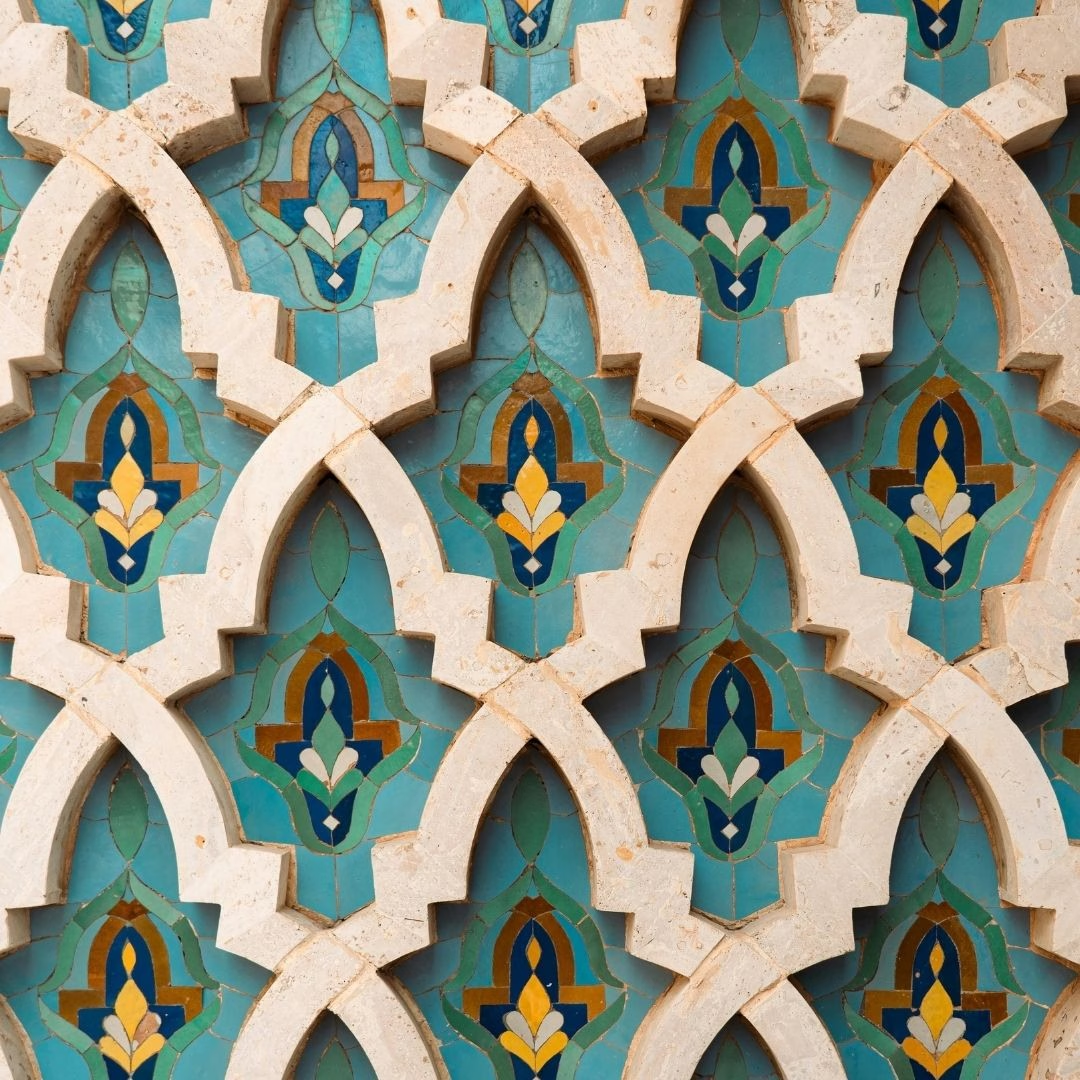
Many hotels straddle the line between history and the present. An existing building should retain its heritage whilst also having a contemporary feel. Design can achieve this without overshadowing the building’s history.
A hotel steeped in tradition does not, therefore, automatically need a traditional design. Similarly, a modern hotel does not have to appear cold. The key is to translate the hotel’s own history into a contemporary visual language.
This may involve deliberately drawing on historical elements, reinterpreting materials, or using minimalist typography to create a contrast with the architecture. Good design leaves room for what is already there.

Whether it’s a new positioning strategy, branding or website – the first step is to engage with the building and its history.
