

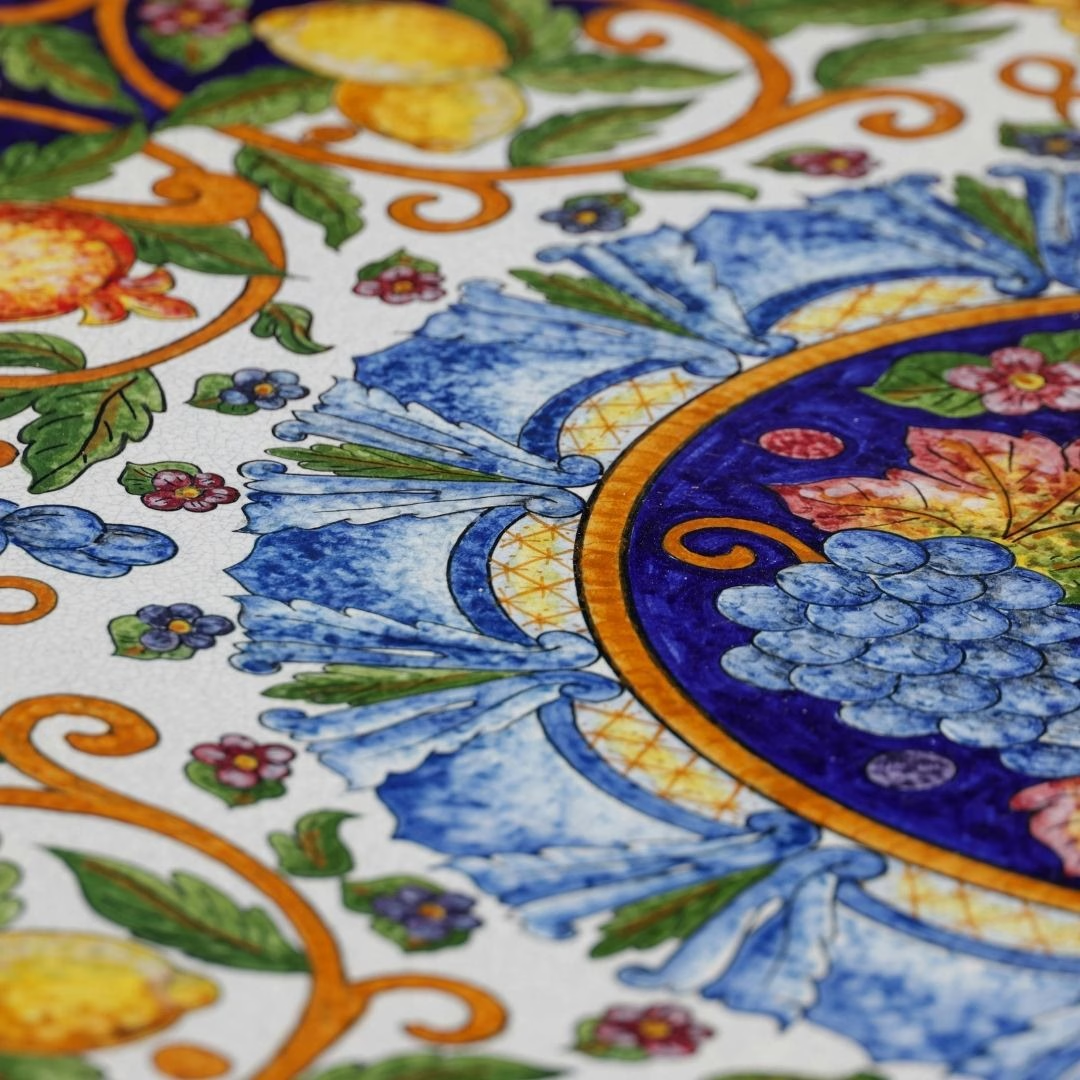
Design is often reduced to colours, typefaces and attractive images. Yet the design process begins much earlier: with the question of what is to be conveyed, who the design is intended for, and what effect it should ultimately have.
Good design provides guidance and ensures recognition. It determines what is seen first, what remains in the background, and how information is linked together. This visual order is particularly crucial for brands, because people form an impression within a matter of seconds.
It is not a question of using as many design elements as possible. Often, the strongest effect is achieved through deliberate simplicity:
Typography gives content a voice
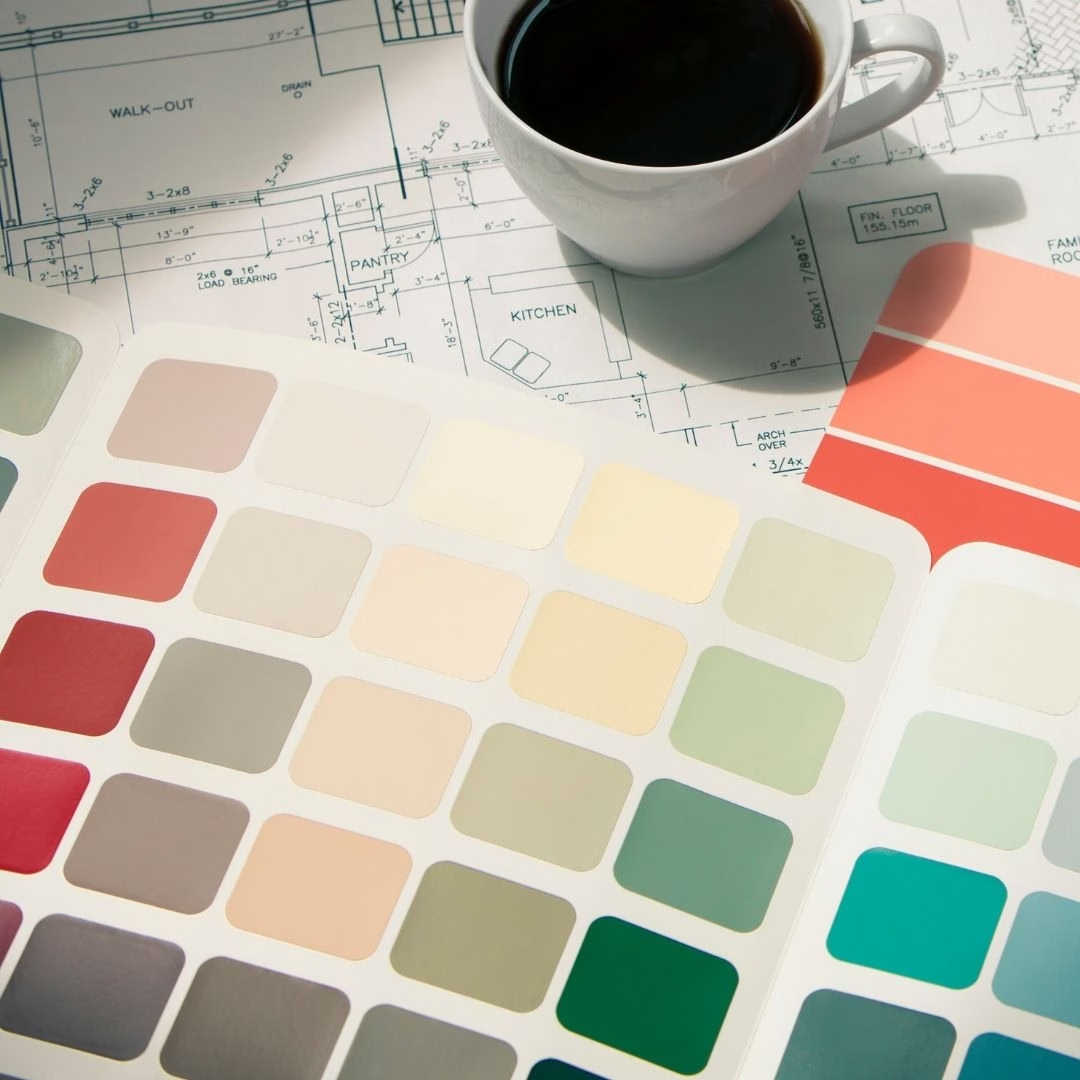
Colour creates atmosphere and provides a sense of direction
Shape influences perception and recognition
Visual imagery conveys atmosphere and character
Spacing lends a design a sense of calm and structure
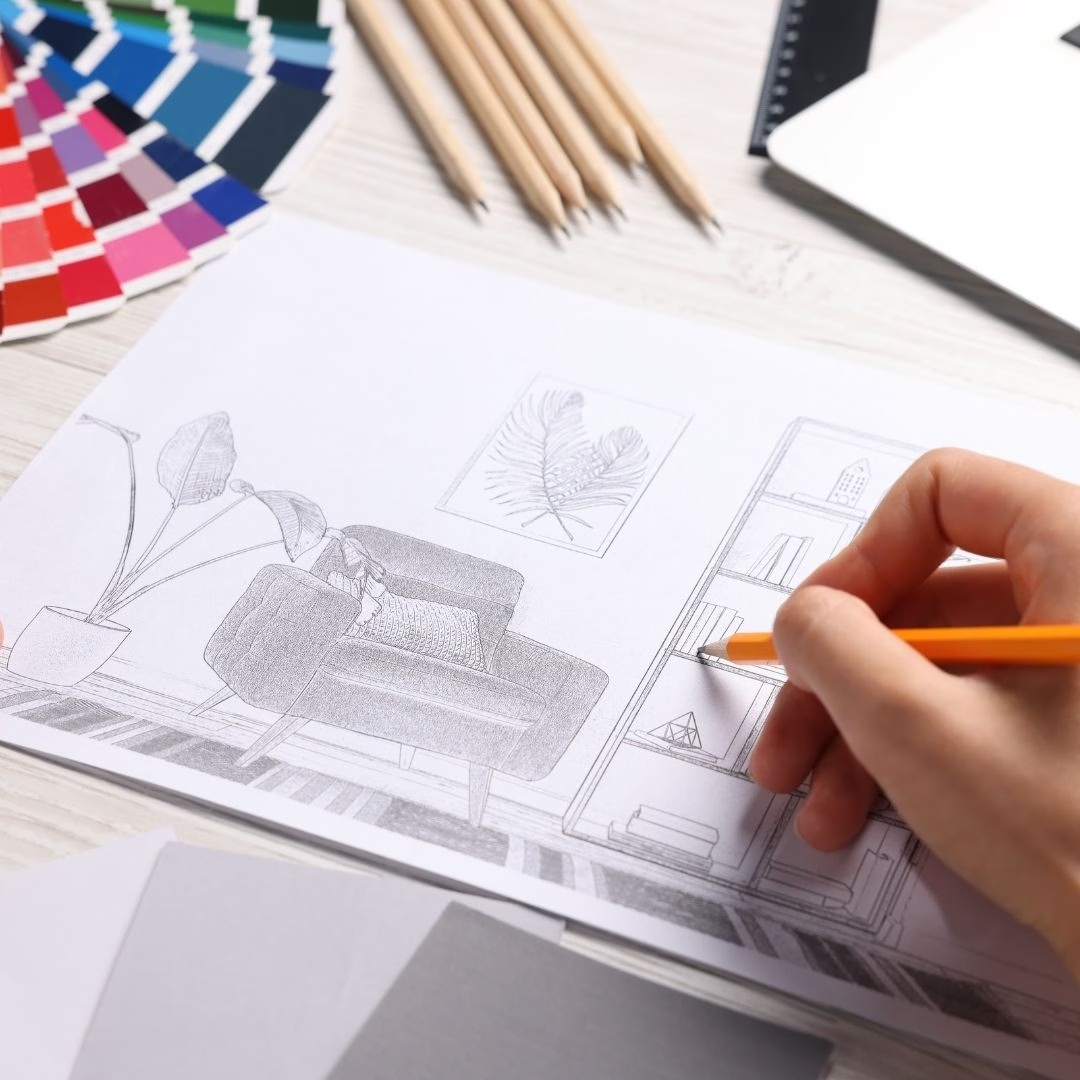
A good design concept does not necessarily stand out because of spectacular effects. Sometimes, quality is recognised precisely because everything seems so natural and nothing has to compete for attention.
This applies just as much to a website as it does to a logo, a leaflet or a complete brand identity. When elements fit together, the result is a visual system that feels intuitively understandable.
Design is therefore always a matter of choice. What belongs in it? What can be left out? Which elements are truly important? And which design supports the idea rather than distracting from it?
From brands and logos to websites and print – design is always evident wherever content takes on a visual form.




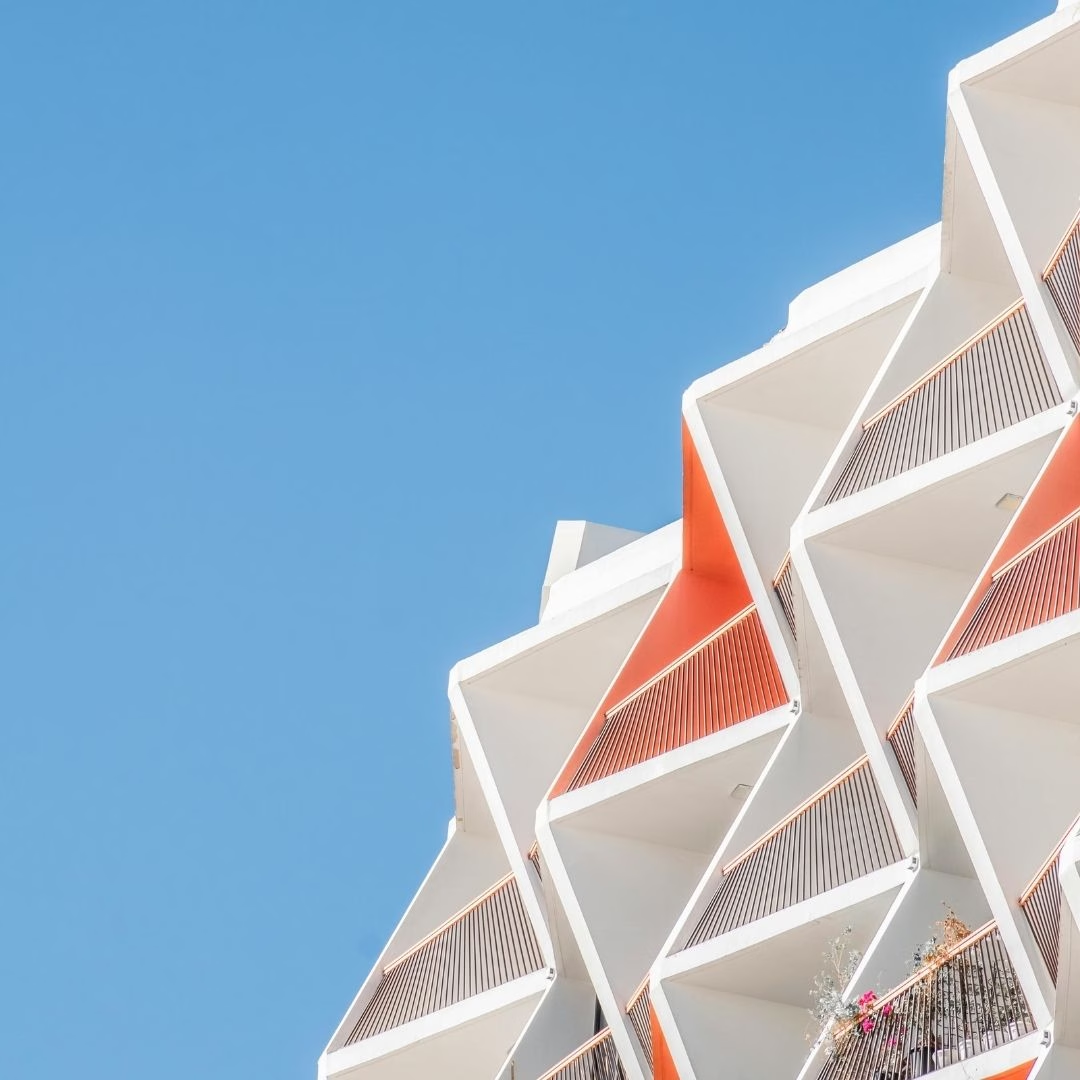

Design is constantly evolving. New typefaces, colours, layouts and technical possibilities shape the visual language of an era. Nevertheless, not every trend is automatically the right choice for a brand.
A design can look modern and yet quickly appear outdated. Conversely, a minimalist design can remain effective for many years because it is not dependent on a particular zeitgeist.
That is why a design should not only address the question of what looks good today, but also whether it will still be in keeping with the brand tomorrow. Trends can serve as inspiration – but the brand’s own identity should always remain the foundation.
Whether it’s a new brand, a website or a complete visual identity – it always starts with the question of what should be conveyed.
